


What Are the Different Types of WPC Wall Panels?
 Aug 31, 2026|
 View:182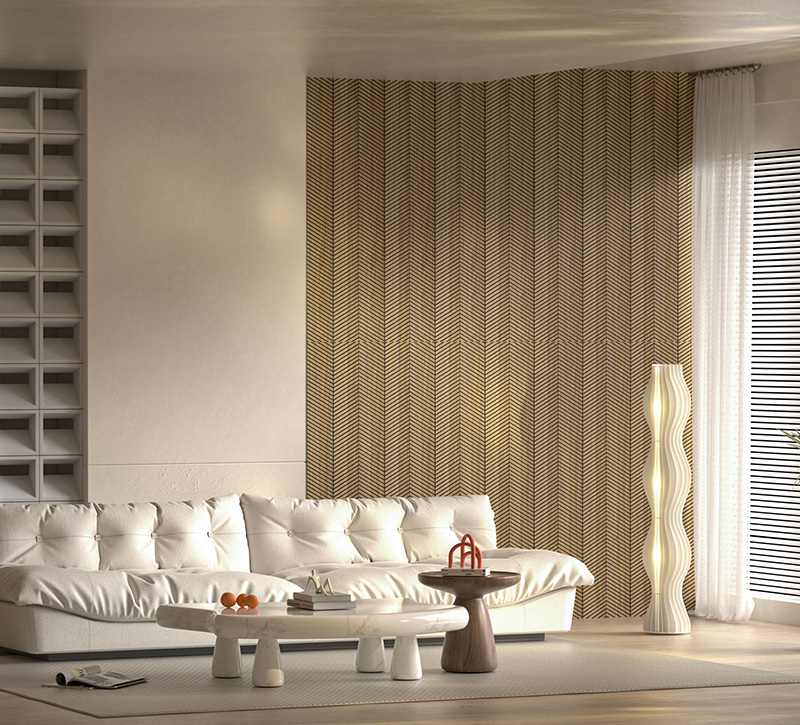
WPC wall panels have become a popular choice for modern interior and architectural decoration because they combine decorative flexibility with practical performance. But with different designs, surface finishes, structures, and applications available, choosing the right type of WPC wall panel can be challenging for architects, contractors, distributors, wholesalers, and project buyers.
So, what are the different types of WPC wall panels?
The most common types include WPC 3D wall panels, fluted WPC wall panels, slatted WPC wall panels, wood-grain WPC wall panels, interior WPC wall panels, and exterior WPC wall cladding. Some products are also classified according to their structure, surface finish, moisture resistance, or installation requirements.
This guide explains the main WPC wall panel types, their characteristics, applications, and key factors to consider before purchasing.
What Are WPC Wall Panels?
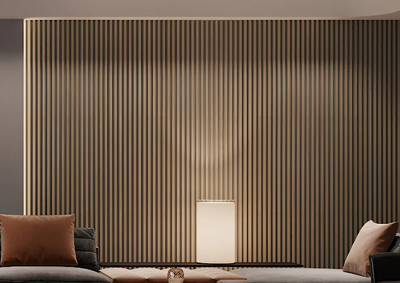
WPC stands for Wood Plastic Composite. WPC wall panels are composite decorative panels made by combining wood-based materials with polymer materials to create a wall covering that offers a wood-inspired appearance with practical performance characteristics.
Modern WPC wall panels are available in a wide range of textures, colors, profiles, and surface designs. Depending on the product, they can be used for residential interiors, hotels, offices, restaurants, retail spaces, and other commercial projects.
Unlike traditional wood wall decoration, WPC panels can be manufactured with consistent textures and dimensions, making them suitable for projects that require both visual consistency and efficient installation.
If you are new to WPC wall panels, you can also learn more about what a WPC wall panel is, how it is made, and its key characteristics before selecting a product.
What Are the Different Types of WPC Wall Panels?
WPC wall panels can be classified in several ways. The most practical classification for buyers is based on surface design and appearance, followed by application and structural construction.
1. WPC 3D Wall Panels
WPC 3D wall panels feature raised, recessed, embossed, or three-dimensional surface patterns. They are designed to create visual depth and make a wall more distinctive than a conventional flat surface.
3D designs can include geometric patterns, grooves, waves, lines, and other decorative textures. Because the surface creates different light and shadow effects, WPC 3D wall panels are often used as feature walls.
Common applications include:
Living room feature walls
Hotel lobbies
Restaurant interiors
Office reception areas
Retail stores
Bedrooms
Commercial display spaces
For projects where the appearance of the wall is an important design element, a WPC 3D wall panel can provide a more architectural look without requiring complex wall construction.
AMER offers WPC 3D wall panels as part of its decorative wall panel range, providing wood-inspired appearance and practical performance for interior applications.
2. WPC Fluted Wall Panels
WPC fluted wall panels have regularly spaced grooves or channels running across the surface. This creates a vertical or linear visual effect and adds depth to an otherwise flat wall.
Fluted WPC panels are especially popular in contemporary and minimalist interior design.
They can be used for:
TV background walls
Bedroom feature walls
Hotel interiors
Office walls
Restaurant decoration
Reception areas
Retail interiors
The main design advantage of fluted panels is their ability to create rhythm and shadow. Different groove widths, depths, colors, and textures can produce very different visual effects.
For buyers working on large commercial projects, the availability of different colors and surface finishes can also make it easier to maintain a consistent design across multiple spaces.
3. WPC Slatted Wall Panels
WPC slatted wall panels create a strip-like or linear appearance using repeated vertical or horizontal elements.
Although fluted and slatted wall panels can look similar, the construction and visual effect may differ depending on the manufacturer's design. Fluted panels generally emphasize continuous grooves in the panel surface, while slatted designs create a more pronounced individual-strip appearance.
WPC slatted wall panels are commonly selected for:
Feature walls
Decorative partitions
Hotel interiors
Restaurants
Office spaces
Residential interiors
Commercial reception areas
They work particularly well when designers want to introduce a warm wood-inspired appearance while maintaining a clean, contemporary aesthetic.
4. Wood-Grain WPC Wall Panels
Wood-grain WPC wall panels are designed to reproduce the appearance of natural timber through printed, embossed, or textured surface finishes.
They are available in different wood-inspired colors and patterns, such as oak, walnut, teak, and other tones, depending on the manufacturer's product range.
These panels are suitable for buyers who want the visual warmth of wood but prefer a manufactured wall covering with consistent appearance and easier maintenance.
Typical applications include:
Residential interiors
Hotels
Restaurants
Offices
Retail stores
Villas
Commercial buildings
Wood-grain WPC wall panels can also be combined with other decorative finishes to create contrast between different sections of a wall.
5. Decorative WPC Wall Panels
Decorative WPC wall panels cover a broader category of panels designed primarily around visual appearance. They may feature geometric textures, embossed patterns, wood effects, grooves, waves, or customized surfaces.
This category is particularly relevant to interior designers, distributors, and project contractors who need multiple design options for different projects.
When purchasing decorative WPC wall panels, buyers should consider more than the appearance alone. Important factors include panel dimensions, surface durability, installation method, material composition, color consistency, and available customization.
Types of WPC Wall Panels by Application
Another useful way to classify WPC wall panels is by where they will be installed.
Interior WPC Wall Panels
Interior WPC wall panels are designed primarily for indoor decorative applications.
Common applications include:
Homes
Apartments
Hotels
Restaurants
Offices
Retail stores
Showrooms
Reception areas
For interior projects, buyers typically pay close attention to appearance, texture, color, installation efficiency, cleaning requirements, and overall project cost.
WPC panels can be particularly useful for feature walls where designers want a wood-inspired or three-dimensional appearance.
Exterior WPC Wall Cladding
Exterior WPC wall cladding is designed for outdoor architectural applications and requires product specifications suitable for exposure to environmental conditions.
Potential applications include:
Building facades
Outdoor feature walls
Balconies
Commercial buildings
Exterior decorative structures
However, not every WPC wall panel is automatically suitable for outdoor installation. Buyers should confirm the manufacturer's specifications for UV resistance, moisture resistance, temperature stability, weather resistance, and installation requirements before selecting a product for exterior use.
This distinction is particularly important for contractors and importers purchasing WPC wall panels for large construction projects.
Waterproof and Moisture-Resistant WPC Wall Panels
Moisture resistance is one reason composite wall panels are considered for areas where conventional wood may require additional protection.
Depending on the product construction and formulation, WPC wall panels can provide resistance to moisture and are easier to maintain than many traditional wood-based decorative materials.
Potential applications may include:
Kitchens
Bathrooms
Humid indoor environments
Commercial interiors
Areas requiring easy-to-clean wall finishes
However, buyers should always check the technical specifications of the specific product before using a WPC wall panel in a high-moisture or wet environment. Terms such as "water-resistant" and "waterproof" should not be treated as interchangeable without reviewing the manufacturer's testing and product specifications.
Types of WPC Wall Panels by Structure
WPC wall panels can also be differentiated according to their internal construction.
Hollow WPC Wall Panels
Hollow WPC panels contain internal cavities that reduce material usage and overall weight.
Potential advantages include:
Lower weight
Easier handling
Efficient material usage
Convenient transportation
Easier installation in some applications
They can be suitable for decorative wall applications where lightweight construction is a priority.
Solid WPC Wall Panels
Solid WPC wall panels have a denser internal structure and generally provide greater material density and rigidity.
They may be considered for projects where buyers prioritize:
Higher rigidity
A more substantial panel structure
Specific durability requirements
Particular installation conditions
The best choice between hollow and solid construction depends on the application, panel specifications, installation system, and project requirements.
WPC Wall Panel Types Comparison
The following table provides a quick overview of the most common WPC wall panel types:
| WPC Wall Panel Type | Main Design Feature | Typical Applications | Best For |
|---|---|---|---|
| WPC 3D Wall Panel | Raised or textured 3D surface | Hotels, homes, offices | Feature walls |
| WPC Fluted Wall Panel | Regular grooves or channels | Residential and commercial interiors | Modern linear designs |
| WPC Slatted Wall Panel | Repeated strip-like appearance | Offices, hotels, restaurants | Contemporary interiors |
| Wood-Grain WPC Panel | Natural wood-inspired texture | Homes, hotels, retail | Wood-look interiors |
| Decorative WPC Panel | Various patterns and textures | Commercial and residential spaces | Custom interior design |
| Interior WPC Wall Panel | Designed for indoor applications | Homes, offices, hotels | Interior decoration |
| Exterior WPC Wall Cladding | Designed for outdoor applications | Facades, balconies, buildings | Exterior decoration |
| Hollow WPC Panel | Lightweight internal structure | Decorative applications | Lightweight construction |
| Solid WPC Panel | Dense internal structure | Various wall applications | Greater rigidity |
How to Choose the Right WPC Wall Panel?
Choosing the right WPC wall panel is not simply a matter of selecting the most attractive design. For commercial projects and wholesale purchasing, several technical and commercial factors should be evaluated.
1. Consider the Application
Start by determining where the panel will be installed.
Is it for:
A residential feature wall?
A hotel lobby?
An office?
A restaurant?
A retail store?
An exterior facade?
The application determines which product specifications should be prioritized.
2. Consider the Design
If appearance is the primary consideration, compare:
3D textures
Fluted designs
Slatted profiles
Wood-grain finishes
Colors
Surface textures
Custom patterns
For large projects, it is important to confirm that the manufacturer can maintain consistent colors and textures across production batches.
3. Consider Moisture and Environmental Conditions
Indoor and outdoor projects have different requirements.
For exterior applications, buyers should ask about:
UV resistance
Weather resistance
Moisture resistance
Temperature stability
Recommended installation conditions
For indoor applications, moisture exposure should also be considered if the panels will be installed in kitchens, bathrooms, or other humid environments.
4. Check Panel Dimensions and Installation
Panel size affects transportation, handling, installation time, and material waste.
Before ordering, confirm:
Panel length and width
Thickness
Weight
Installation method
Required accessories
Cutting requirements
Joint and edge treatment
For distributors and contractors, installation efficiency can have a significant effect on the total project cost.
5. Consider Customization Requirements
Large commercial projects may require custom:
Colors
Textures
Profiles
Dimensions
Packaging
Logos
Surface finishes
If customization is important, work directly with a manufacturer that has an experienced product development and design team.
What Should Buyers Ask a WPC Wall Panel Manufacturer?
Before placing a wholesale or project order, overseas buyers should ask the supplier several important questions.
What material is used in the WPC wall panels?
Ask the manufacturer about the material composition, manufacturing process, and relevant technical specifications.
Are the WPC wall panels suitable for outdoor use?
Do not assume that every WPC wall panel is suitable for exterior applications. Ask for product-specific information about UV resistance, weather resistance, moisture resistance, and temperature performance.
What sizes and colors are available?
For distributors and wholesalers, a broad range of sizes, colors, and textures can make it easier to serve different local markets.
Can the manufacturer provide customized WPC wall panels?
If you need a specific color, surface texture, profile, size, or packaging solution, confirm the manufacturer's OEM/ODM capabilities before placing an order.
What is the MOQ?
MOQ can vary according to product type, color, size, customization, and packaging requirements. Always request a project-specific quotation.
Can I receive samples before placing an order?
Samples are particularly useful for checking:
Color
Texture
Surface finish
Panel rigidity
Installation method
Overall appearance
What is the production lead time?
For large projects, production schedules should be confirmed before finalizing construction timelines.
How are WPC wall panels packaged for international shipping?
Ask about carton packaging, palletization, loading efficiency, moisture protection, and other measures used during international transportation.
Why Choose AMER for WPC Wall Panels?
For overseas distributors, wholesalers, importers, and contractors, choosing a WPC wall panel supplier involves more than comparing product prices. Manufacturing capability, customization, communication, quality control, and delivery reliability are also important.
AMER, operated by Jiangxi Rongke New Building Materials Co., Ltd., provides WPC wall panels alongside a broader range of decorative building materials.
AMER's manufacturing infrastructure includes three production bases, more than 15 years of manufacturing and sales experience, and 32 WPC/PVC production lines. This production capacity is designed to support stable supply for international customers.
Strong Manufacturing Capability
AMER combines manufacturing experience with dedicated production capacity for WPC/PVC and other decorative wall materials.
This is particularly important for distributors and wholesalers who need consistent supply rather than one-off product purchases.
Product Customization and R&D
Different markets have different preferences for colors, textures, profiles, and decorative styles.
AMER's R&D and design team provides product development and customization support for customers with specific requirements.
Samples and Production Transparency
Before placing a large order, buyers can request samples to evaluate product appearance and specifications.
AMER also provides production videos and inspection images to help customers monitor orders and improve transparency throughout the purchasing process.
Support for International B2B Buyers
AMER works with different types of professional buyers, including distributors, channel providers, wholesalers, importers, and contractors.
For buyers building a local product portfolio, AMER can also provide catalog and display-board design support to help with product marketing and sales.
Frequently Asked Questions About WPC Wall Panels
What are the main types of WPC wall panels?
The main types include WPC 3D wall panels, fluted WPC wall panels, slatted WPC wall panels, wood-grain WPC wall panels, decorative WPC wall panels, interior WPC wall panels, and exterior WPC wall cladding. Panels can also be classified according to their structure, such as hollow or solid construction.
What is the difference between fluted and slatted WPC wall panels?
Fluted WPC wall panels typically feature continuous grooves or channels formed into the panel surface. Slatted designs create a more pronounced repeated-strip appearance. The exact construction varies by manufacturer, so buyers should compare product profiles and technical drawings.
Are WPC wall panels suitable for bathrooms?
Some WPC wall panels can be used in moisture-prone environments, but suitability depends on the specific product construction and installation system. Always check the manufacturer's technical specifications before using a panel in a bathroom or other wet area.
Can WPC wall panels be used outdoors?
Some WPC products are designed for exterior applications, while others are intended for interior use. For outdoor projects, buyers should specifically check UV resistance, weather resistance, moisture resistance, temperature stability, and installation requirements.
Are WPC wall panels available in custom colors and designs?
Customization depends on the manufacturer and product. For commercial projects, many manufacturers can provide customized colors, textures, profiles, dimensions, and packaging. Buyers should discuss OEM/ODM requirements before production.
How do I choose the right WPC wall panel?
Consider five key factors: application, design, environmental conditions, installation requirements, and supplier capabilities. For large projects, also evaluate MOQ, production capacity, lead time, quality control, customization, packaging, and after-sales service.
What should I look for in a WPC wall panel supplier?
Look for a manufacturer with proven production capacity, stable quality, customization capabilities, clear technical specifications, sample support, reliable lead times, and experience serving international B2B customers.
Final Thoughts
There is no single "best" type of WPC wall panel for every project.
WPC 3D wall panels are ideal when visual depth and feature-wall design are important. Fluted and slatted WPC wall panels are suitable for modern linear interiors, while wood-grain WPC panels offer a natural timber-inspired appearance. For different project environments, buyers can also choose between interior wall panels and products specifically developed for exterior applications.
The most important step is to match the panel's design, structure, technical performance, and installation requirements with the actual project.
For distributors, wholesalers, importers, contractors, and developers, working directly with an experienced WPC wall panel manufacturer can also make customization, sampling, production planning, and long-term supply easier.
Looking for WPC Wall Panels?
If you are looking for WPC 3D wall panels or customized WPC wall panel solutions, contact AMER to discuss your product requirements, request samples, and get a project-specific quotation.
Request a Quote from AMER today and find the right WPC wall panel for your market or project.